Harris
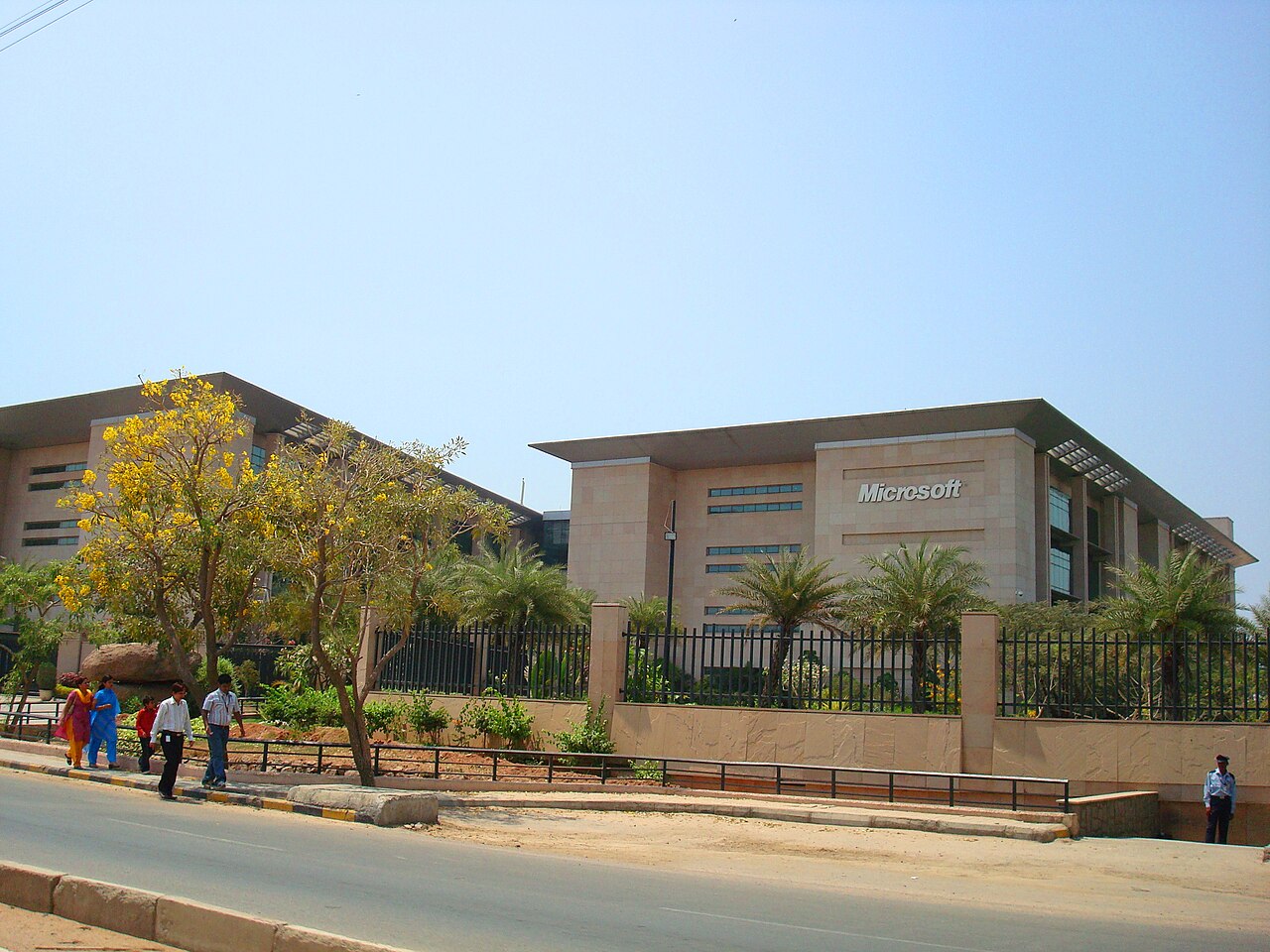
Microsoft India employee hikes have raised eyebrows as 91% received 5% or less increases. This situation highlights growing concerns around job security and company buyouts.
Overview of Microsoft India Employee Hikes
In a recent report, it was revealed that a significant majority of Microsoft India employees received modest salary hikes this year, with 91% of them experiencing increases of 5% or less. This trend has raised eyebrows among industry analysts as concerns over potential buyouts loom large in the tech sector.
The modest hikes come at a time when the market is grappling with economic uncertainty and shifting priorities within the company. Many employees had anticipated more substantial increases, especially given the rising cost of living and the competitive landscape for tech talent in India. The situation has resulted in a sense of unease among staff, who worry about the long-term sustainability of their positions.
Key factors contributing to this cautious approach include:
- Market Volatility: Fluctuations in the economy have led companies to reassess their financial commitments.
- Strategic Realignments: Microsoft is reportedly focusing on streamlining operations and reallocating resources.
- Employee Retention: While small hikes may not seem encouraging, they are part of a broader strategy to retain talent during uncertain times.
Overall, the Microsoft India employee hikes reflect a balancing act between maintaining workforce morale and navigating external pressures.
Reasons Behind Salary Adjustments
As Microsoft India navigates the evolving tech landscape, several factors have contributed to the recent salary adjustments for its employees. Understanding these reasons is crucial, especially given that the majority of Microsoft India employee hikes have been modest, with 91% of staff receiving increases of 5% or less.
One primary reason behind these conservative salary hikes is the broader economic climate. Inflation and rising operational costs have forced many companies, including Microsoft, to reevaluate their compensation strategies. This cautious approach aims to maintain financial stability while balancing employee expectations.
Additionally, there are increasing concerns regarding buyouts and potential restructuring within the company. Employees may feel uncertain about their long-term prospects, which could influence the decision to keep hikes lower than in previous years. The fear of job security may also lead to a more subdued employee response to the compensation adjustments.
Moreover, the competitive landscape in the tech industry plays a significant role. Companies are continually assessing their talent retention strategies, which could lead to varying salary adjustments in the future as they seek to attract and retain top talent.
In conclusion, while the Microsoft India employee hikes appear modest, they reflect a careful balancing act amid economic and organizational uncertainties.
Impact of Buyout Concerns
The recent wave of Microsoft India employee hikes has been overshadowed by growing concerns over potential buyouts, leading to a cautious approach among the workforce. According to a recent report, 91% of employees received raises of 5% or less, an indication that the company is treading carefully amidst uncertainty.
As the tech industry faces shifting dynamics, Microsoft India is not immune to the effects of market volatility. Employees are increasingly anxious about job security, with many expressing feelings of unease regarding the company’s future direction. This sentiment has prompted some to question whether the modest salary adjustments are a reflection of broader financial strategies rather than genuine recognition of employee contributions.
Moreover, the limited hikes could have a ripple effect on employee morale and retention. With the tech talent market becoming increasingly competitive, Microsoft India risks losing skilled professionals to rival firms offering more attractive compensation packages. The situation raises critical questions about how the company will navigate these challenges moving forward.
In summary, while the Microsoft India employee hikes may offer some relief, the underlying buyout concerns are likely to overshadow these adjustments, impacting both employee satisfaction and the company’s long-term growth strategy.
Employee Reactions to Salary Changes
In the wake of the recent Microsoft India employee hikes, reactions among the workforce have been mixed. While some employees expressed satisfaction with their raises, others voiced concerns over the modest increases, particularly in light of ongoing buyout apprehensions.
A survey conducted revealed that a significant portion of the employees received hikes of 5% or less. This has led to feelings of uncertainty regarding job security and future compensation, as many employees had anticipated more substantial increases in their salaries.
Among the various reactions, several themes emerged:
- Frustration: Some employees felt that the hikes did not align with their performance and contributions, especially when compared to industry standards.
- Relief: Conversely, a segment of the workforce appreciated any increase given the current economic climate, viewing it as a positive sign.
- Concerns: Many expressed worries about the company’s direction and stability, linking their salary adjustments to broader buyout concerns.
As Microsoft India navigates this transitional phase, employees remain hopeful for clearer communication and potential future adjustments to address their concerns regarding the impact of these salary changes.
Future Outlook for Microsoft India Employees
The future outlook for Microsoft India employees remains a topic of significant interest, particularly in light of recent salary adjustments. While a majority of employees received hikes of 5% or less, as reported, the long-term implications of these changes are still unfolding.
As Microsoft continues to navigate a shifting tech landscape, employees are left to ponder how these salary adjustments will affect their career trajectories. Concerns over potential buyouts have exacerbated uncertainty, leading many to question the stability of their positions and the company’s commitment to its workforce.
Despite these challenges, there are several factors that could positively influence the future for Microsoft India employees:
- Global Growth Opportunities: With a strong push towards expansion in emerging markets, there may be new roles and responsibilities that could lead to enhanced career prospects.
- Skill Development: Microsoft has been investing in training programs which can help employees upskill and adapt to the evolving demands of the industry.
- Employee Engagement: The company’s focus on fostering a positive work culture may help in retaining talent and boosting morale even amidst uncertainties.
In conclusion, while Microsoft India employee hikes may appear modest at first glance, the overall environment suggests potential for growth and development in the coming years.
Comparative Salary Trends in Tech
The recent salary adjustments at Microsoft India have sparked discussions about comparative salary trends in the tech industry. A report indicated that 91% of Microsoft India employees received hikes of 5% or less, which raises questions about the long-term implications of such adjustments in an evolving market.
When analyzing salary trends, several factors come into play:
- Market Competitiveness: Tech companies are known for offering competitive salaries. However, with the rise of economic uncertainties, firms may adopt more conservative approaches to salary increments.
- Employee Retention: Maintaining talent is critical in the tech sector. Companies often provide salary hikes as a strategy to retain employees, but the current trend at Microsoft India could signal a shift in this strategy.
- Industry Comparisons: Other tech giants may be offering more substantial salary hikes, which could make Microsoft India less attractive to potential hires and existing talent.
As Microsoft India implements these salary adjustments amidst buyout concerns, employees are left to weigh their options. The impact of these hikes, or lack thereof, could have lasting effects on employee morale and the company’s position within the competitive landscape of the tech industry.
Strategies for Career Growth Amid Changes
As Microsoft India employee hikes have become a topic of significant discussion, professionals are seeking ways to navigate their careers effectively amidst these changes. With the majority of employees receiving modest increases, it is crucial for individuals to adopt strategies that enhance their career growth.
One effective strategy is to focus on continuous learning and skill development. By acquiring new skills or certifications relevant to their roles, employees can position themselves as indispensable assets to the company. This not only increases their marketability but also enhances their chances for future promotions and salary hikes.
Networking within the organization is another important tactic. Building relationships with colleagues and leaders can provide insights into upcoming opportunities and projects. Engaging in cross-functional teams can also showcase versatility and broaden one’s expertise.
Additionally, employees should proactively seek feedback on their performance. Understanding areas for improvement can help in setting clear career goals and aligning personal objectives with the company’s vision.
Lastly, staying updated with industry trends and the competitive landscape can empower employees to make informed decisions about their career paths. By employing these strategies, Microsoft India employees can navigate the current landscape and position themselves for future success.
The recent Microsoft India employee hikes have sparked discussions about their long-term effects on employee morale and retention. As companies across the tech industry adjust to market conditions, the Microsoft India employee hikes may set a precedent for others to follow.
via Wikimedia Commons